Want to improve your flexibility or mobility, but can't make sense of all the conflicting advice? I'm here to help.
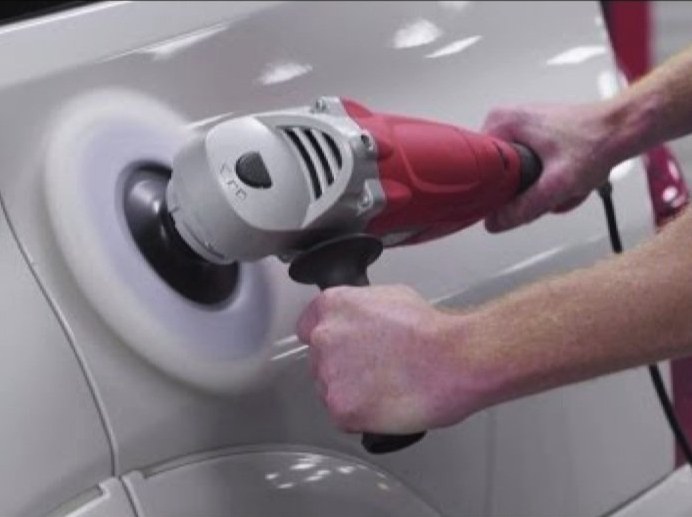
Flexibility and mobility have been areas of huge change in the fitness industry. For years you had to do static stretches before and after training. Then came dynamic stretches, because static stretching supposedly robbed your power. Then “flexibility” was replaced by “mobility”, and you needed to torture yourself with foam rollers, lacrosse balls and voodoo floss. The electric car buffer on quads and glutes remains my personal favourite.
Results from all these approaches are wildly inconsistent: some people stretch their tight hamstrings for years with nothing to show; others transform overnight. What's the real deal? Three principles explain most of it.
Principle 1: the brain causes tightness, not short muscles
Under anaesthetic, most people can touch knee to nose, even lifelong “tight hamstrings” sufferers. When the brain fully relaxes, full passive range opens up. Practically, this means we should stop trying to mechanically force muscles longer or smash them into surrendering range, and instead work on the nervous system: teaching the brain to allow full range while conscious.
Principle 2: the brain tightens muscles to keep you out of positions it doesn't trust
Two main reasons the brain feels unsafe. First, previous or current injury. Current injury is obvious: damaged tissue needs protecting. Previous injury is the ghost: a relic in the nervous system still guarding an old site that has long since healed. This is the mechanism behind compensation patterns, and why the site of pain isn't always the cause of pain. Second, lack of strength, control or experience in the position. The body isn't convinced you can own the range, so rather than find out the hard way, it shuts the movement down. Think partial squat depth, or shoulders that won't fully flex. Your body is just putting the brakes on to protect you.
Principle 3: almost all muscle contractions are reflexive
In functional movements (walking, squatting, hinging, pressing, pulling) you are not mentally contracting each muscle involved. The quads, glutes and hamstrings alone comprise nine muscles. To communicate movement to the brain, stop trying to consciously contract individual muscles. Focus on the movement: the body is incredibly good at detecting position through joint receptors and muscle stretch receptors, and it will automatically contract the appropriate muscles to control the shape you put it in. It's why you don't fall over stepping on uneven ground, and why you can sometimes save a wobbly snatch.
So: tightness is protective, it lives in the nervous system, and it responds to training the movement, not bullying the tissue. How to apply this to your mobility training properly is a topic for part two.